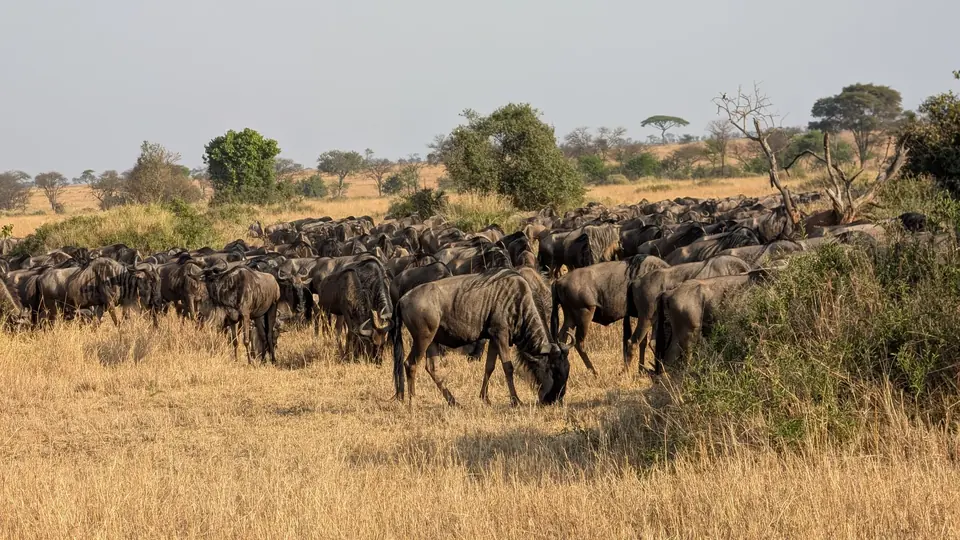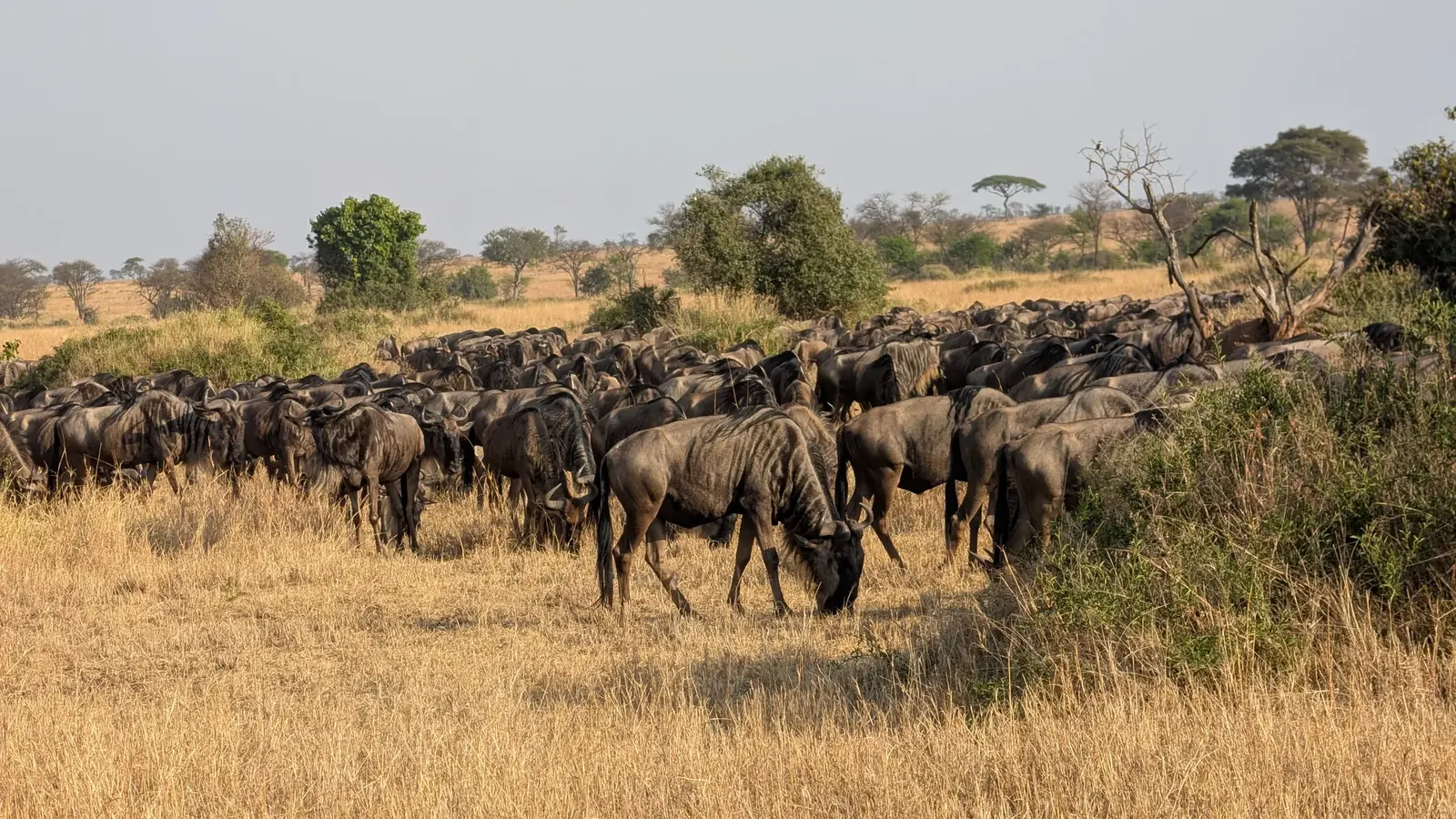
Overview
How to Combine AFCON 2027 with a Tanzania Safari is designed for supporters, tour planners and visitors combining football with tourism. Its central purpose is building wildlife time around a match schedule. In Tanzania, a successful football journey depends on matching expectations to geography, season, transport and the amount of time available.
Four themes define the subject: short northern circuits, southern options from Dar es Salaam, flight buffers and avoiding same-day connections. They are connected rather than separate. Where a traveler stays affects transfer time; transfer time affects the pace of the day; and the pace determines whether the experience feels immersive or rushed.
Why this experience matters
Tanzania contributes a distinct layer to a Tanzania itinerary. It can introduce landscape, wildlife, history, community life or sporting culture that is not available in exactly the same form elsewhere. That makes it useful to ask what the traveler wants to understand or feel—not only what they want to photograph.
- Short northern circuits: Treat this as a core part of the experience and allow enough time for conditions to unfold naturally.
- Southern options from Dar es Salaam: Ask how timing, access or season influences what is realistically possible.
- Flight buffers: Build the itinerary around the setting rather than copying a generic route.
- Avoiding same-day connections: Use knowledgeable local guidance where interpretation or safety adds value.
The experience also fits differently into different holidays. A first-time visitor may need a broad introduction, while a repeat visitor may prefer depth, quiet and specialized guiding. Families, photographers, runners, divers and travelers with mobility requirements will each need different pacing.
What to expect on the ground
The following details turn the broad theme into practical expectations. They should be adapted to the season, the individual traveler and current local guidance.
Short northern circuits
For short northern circuits, distinguish confirmed CAF information from proposals, construction updates and media speculation. Label uncertainty clearly.
Southern options from Dar es Salaam
Plan southern options from Dar es Salaam with changeable bookings until the relevant match allocation, ticket or venue detail is official.
Flight buffers
Allow transport buffers around flight buffers. Tournament crowds, security zones and temporary traffic controls can alter normal journey times.
Avoiding same-day connections
Use authorized channels for avoiding same-day connections and keep digital and offline copies of essential documents. Avoid bundles that cannot identify their ticket source.
Together, these elements explain why two visits to Tanzania may feel different even when they use a similar route. Good planning creates the conditions for a rewarding experience; it does not try to remove the natural or human variability that makes travel meaningful.
How to plan the visit
Begin with the fixed points: international arrival and departure, any event or permit dates, and the nights that cannot move. Then map realistic transfers. Distances in Tanzania can look manageable on a map while taking longer because of road surfaces, park speed limits, ferry procedures, traffic or weather.
- Define the purpose. Decide whether short northern circuits is the main goal or one part of a wider itinerary.
- Choose the right base. Compare locations by actual transfer time to the activity, not by destination name alone.
- Protect the key day. Place the most important activity after a buffer night when delays could be costly.
- Leave recovery space. Avoid filling every hour; rest, weather changes and spontaneous stops are part of good travel.
For guided arrangements, request a written outline that names the route, activity duration, meal basis, transport type, inclusions, exclusions and cancellation conditions. For independent travel, save official contacts and offline copies of essential confirmations.
Suggested itinerary framework
This flexible framework can be shortened or expanded. It avoids making assumptions about a specific company, hotel or traveler budget.
| Stage | Focus | Planning note |
|---|---|---|
| Arrival | Orientation and short northern circuits | Keep the first period light and confirm the next transfer. |
| Core experience | southern options from Dar es Salaam | Give the main activity the best available time of day. |
| Deeper context | flight buffers | Add interpretation, a guided walk or a contrasting nearby setting. |
| Departure or extension | avoiding same-day connections | Build a buffer before flights, ferries, races or ticketed matches. |
A short visit should do fewer things well. A longer visit can vary the rhythm: an active morning followed by a quiet afternoon, or a demanding transfer followed by two nights in one base. Repeated one-night stays tend to increase packing, check-in time and fatigue.
Practical details to verify
| Topic | What to check | Why it matters |
|---|---|---|
| Season and conditions | Rainfall, temperature, tides, road access or event calendar | Conditions can change journey time and activity suitability. |
| Access | Gate hours, flights, ferries, transfers, permits and luggage limits | A single missed connection can affect several later services. |
| Cost | Taxes, conservation fees, meals, tips, equipment and transfers | Headline rates rarely allow direct comparison without inclusions. |
| Health and safety | Insurance, medical advice, fitness, water, sun and emergency contacts | Requirements vary by activity and individual circumstances. |
Travelers should rely on official authorities for entry rules and protected-area regulations, and on qualified medical professionals for personal health decisions. Future event information is especially time-sensitive: never publish an old route, venue or registration procedure without rechecking it.
Responsible and respectful travel
Responsible travel begins with everyday decisions. Follow guide instructions, keep a respectful distance from wildlife, remain on permitted routes and never pressure a driver or boat operator to break rules for a photograph. In communities, ask before photographing people and avoid treating daily life as a performance.
Choose operators and properties that can explain how they employ local people, manage waste and water, support conservation, and purchase goods or services locally. These answers are more useful than an unsupported “eco” label. Carry refillable water containers where systems allow, reduce single-use items and take batteries or difficult waste back to places equipped to handle them.
Respect also includes accurate storytelling. Avoid language that presents Tanzania as an empty wilderness or its communities as unchanging. Landscapes are living places shaped by ecology, history, livelihoods and conservation choices.
Frequently asked questions
What is officially confirmed?
The answer depends on transfers and the main purpose of the visit. As a rule, protect the core experience with at least one well-positioned night and avoid counting an arrival or departure day as a full activity day.
What remains subject to change?
Confirm current schedules, fees, policies, road or marine conditions and any age, fitness or equipment requirements. For events, use only official ticketing or registration channels.
How much flexibility should fans keep?
Keep at least one flexible block and use bookings with clear change terms where uncertainty is high. A buffer is especially valuable before international flights, ferries, summit attempts, races and match days.
Can this be combined with other parts of Tanzania?
Usually, yes. The best combination minimizes backtracking and uses the most reliable connection available. Compare road and flight options by total door-to-door time, not only the scheduled transport time.
Editorial verification sources
We keep this guide evergreen. Before travel, verify changing details—fees, hours, rules, routes, venues, health requirements and schedules—against the relevant official source.
Last research review: September 2026.